
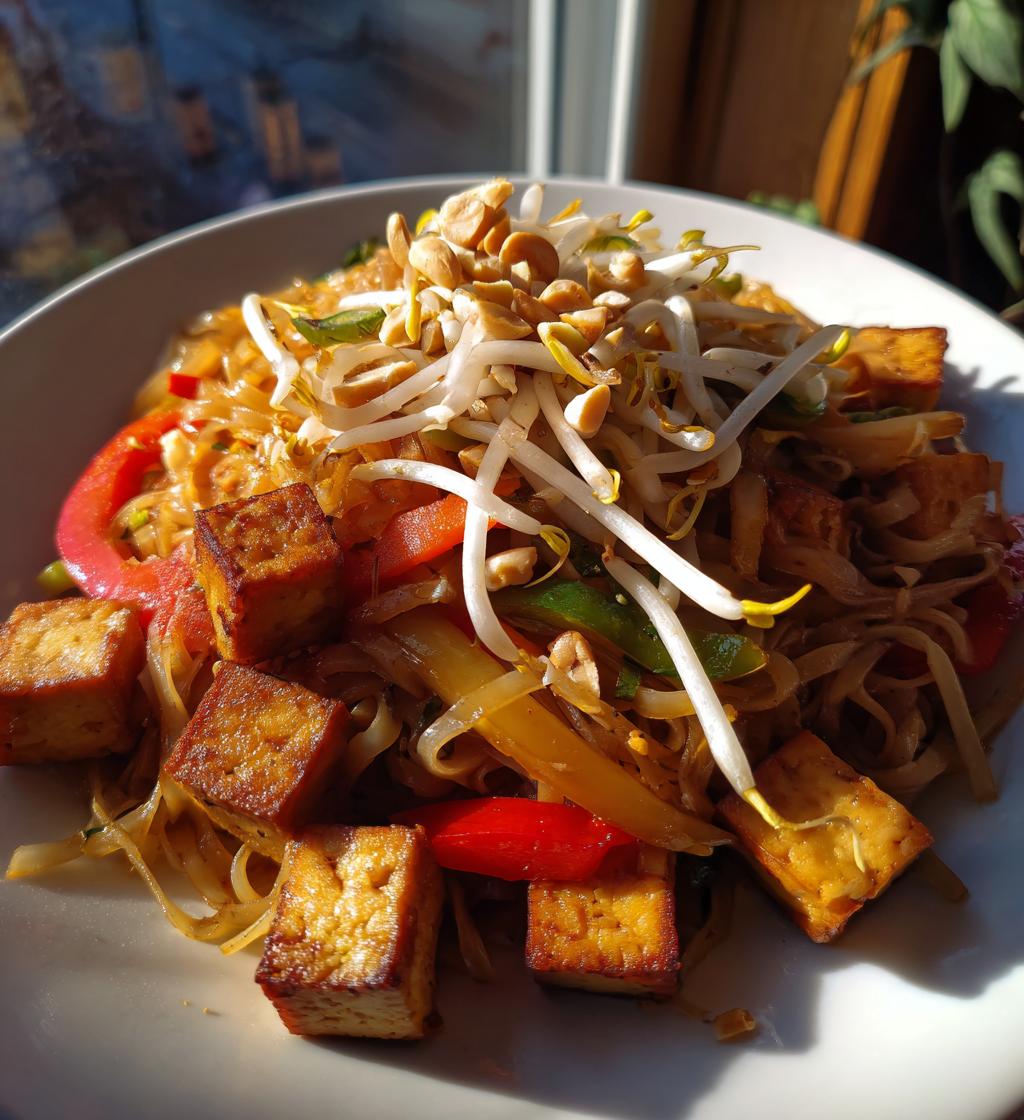
Oh my goodness, who doesn’t love Pad Thai? This iconic dish is a favorite for so many, and I just had to create a plant-based version that’s just as delicious! Trust me, my plant based Pad Thai is bursting with flavor and texture, and you won’t even miss the meat. I remember the first time I whipped this up—everyone was raving about it, and I felt like a culinary wizard! It’s so easy to make and perfect for a quick weeknight dinner or impressing friends. So, let’s dive into this incredible recipe that captures all the magic of traditional Pad Thai, but in a plant-based way!
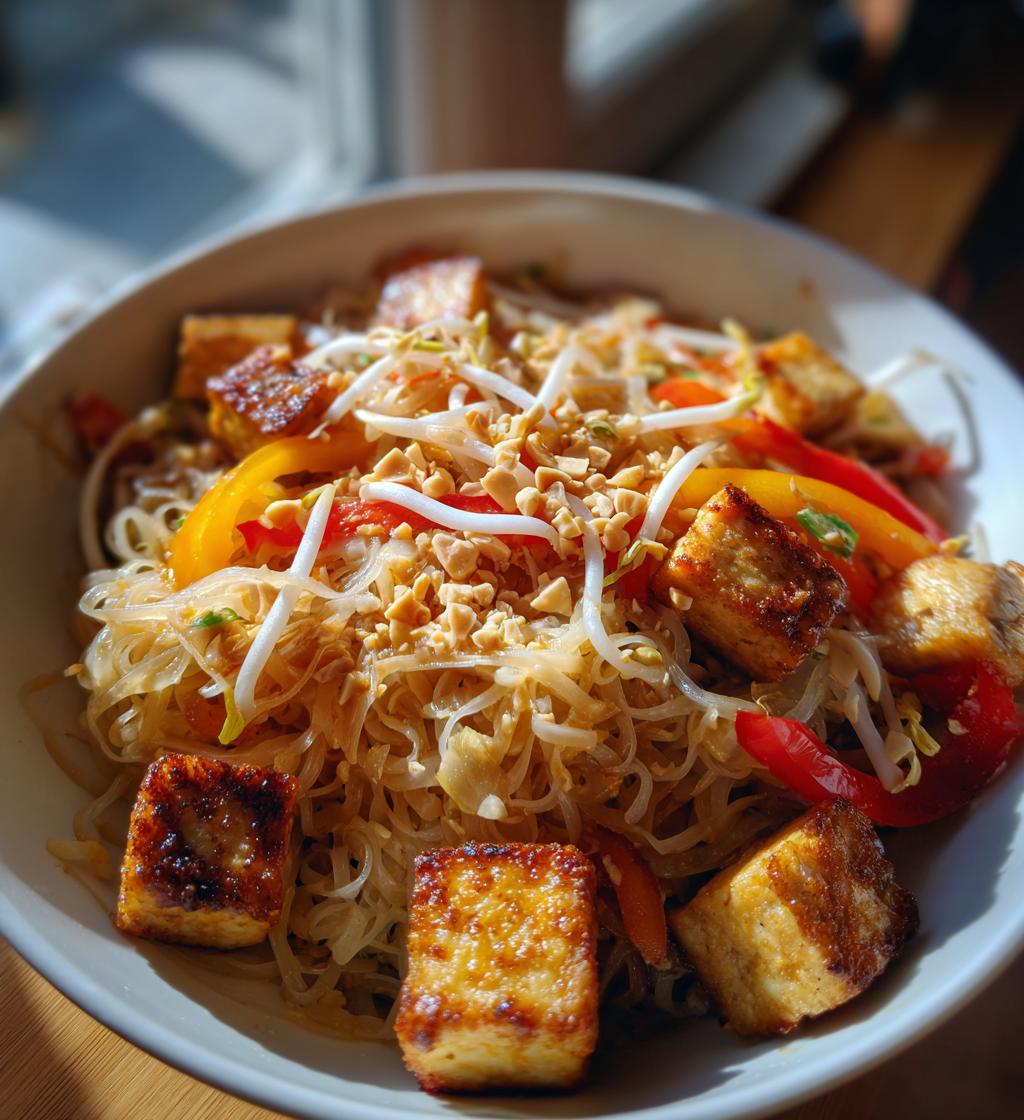
Ingredients List
Here’s everything you’ll need to whip up my scrumptious plant based Pad Thai. Each ingredient plays a crucial role in building that signature flavor, so let’s make sure we’ve got it all covered!
- 8 oz rice noodles: Look for flat rice noodles, as they’ll give you that classic Pad Thai texture. You can find them in most grocery stores or Asian markets.
- 1 cup tofu, cubed: Firm or extra-firm tofu works best here. Just drain it, press it a bit to remove excess moisture, and then cut it into cubes.
- 2 tablespoons vegetable oil: This will help you get that nice golden color on the tofu and sauté the veggies. You can use canola or any neutral oil.
- 3 cloves garlic, minced: Fresh garlic adds a punch of flavor! Don’t skimp on this, as it really elevates the dish.
- 2 cups bean sprouts: These crunchy little gems are a must! They add freshness and a delightful crunch to every bite.
- 1 red bell pepper, sliced: Sweet and colorful, this adds a nice pop to your dish. Slice it thinly so it cooks quickly.
- 2 green onions, chopped: These add a mild onion flavor and a nice bite. Use both the white and green parts for the best flavor.
- 1/4 cup peanuts, crushed: For that classic topping, use unsalted peanuts. They add a lovely crunch and nutty flavor.
- 3 tablespoons soy sauce: This is your main seasoning. Feel free to use low-sodium soy sauce if you’re watching your salt intake.
- 2 tablespoons lime juice: Freshly squeezed is best for that zesty kick! It brightens up the entire dish.
- 1 tablespoon brown sugar: This balances the flavors beautifully, adding a hint of sweetness.
- 1 teaspoon chili powder: Adjust this to your spice preference. If you love heat, a little extra won’t hurt!
How to Prepare Plant Based Pad Thai
Alright, let’s get cooking! Making my plant based Pad Thai is easier than you might think, and I promise it’s worth every minute. Here’s a step-by-step guide to help you create this delightful dish.
- Start with the noodles: Bring a large pot of water to a boil and cook the rice noodles according to the package instructions. This usually takes about 6-8 minutes. Once they’re done, drain and rinse them under cold water to stop the cooking process. Set them aside.
- Heat things up: In a large pan or wok, heat the vegetable oil over medium heat. You want it nice and hot, but not smoking!
- Cook the tofu: Add the cubed tofu to the pan. Let it cook without stirring for about 3-4 minutes until it’s golden brown on one side, then flip it to brown the other side. This should take another 3-4 minutes. It’s so satisfying to see that lovely color!
- Flavor it up: Once the tofu is beautifully golden, toss in the minced garlic and sauté for about 1 minute, just until it’s fragrant. You don’t want it to burn, so keep an eye on it!
- Add the veggies: Next, stir in the sliced red bell pepper and sauté for another 2 minutes until it’s just tender. Then, add the cooked noodles, bean sprouts, and chopped green onions. Give it a good toss to combine everything.
- Make the sauce: In a small bowl, whisk together the soy sauce, lime juice, brown sugar, and chili powder. This is where the magic happens, so make sure it’s well combined.
- Combine: Pour the sauce over your noodle mixture and stir well to coat everything evenly. Let it cook for 1-2 more minutes, so all those flavors meld together.
- Serve it up: Finally, plate your delicious plant based Pad Thai and sprinkle with crushed peanuts on top. You can add a lime wedge on the side for that extra zing!
And there you have it! A flavorful, plant-based Pad Thai that’s ready to impress. Enjoy every bite!
Why You’ll Love This Recipe
- Quick and Easy: This plant based Pad Thai comes together in just 25 minutes, making it perfect for busy weeknights.
- Simple Ingredients: You likely have most of these ingredients on hand! It’s a straightforward recipe that doesn’t require any fancy items.
- Delicious Flavor: With a perfect balance of savory, sweet, and tangy, this dish is bursting with vibrant flavors that will have everyone coming back for seconds.
- Healthy and Wholesome: Packed with veggies and plant-based protein from the tofu, it’s a nutritious meal that’s kind to your body.
- Customizable: Don’t hesitate to add your favorite veggies or adjust the spice level to suit your taste. Make it your own!
- Vegan and Satisfying: Even non-vegans love this dish! It’s filling and satisfying, proving you don’t need meat to have a hearty meal.
Tips for Success
Alright, let’s make sure your plant based Pad Thai turns out absolutely fabulous! Here are some of my top tips to help you avoid any bumps along the way and elevate your dish to perfection.
- Don’t Overcook the Noodles: Make sure to keep an eye on the rice noodles while they cook. You want them al dente! Remember, they’ll continue to cook a little when you stir-fry them, so don’t let them get mushy.
- Press the Tofu: For the best texture, press your tofu before cooking. This removes excess moisture, allowing it to crisp up nicely. Just wrap it in a clean kitchen towel and place something heavy on top for about 15 minutes.
- Use High Heat: When stir-frying, make sure your pan is hot enough! This helps to achieve that lovely golden color on the tofu and veggies while keeping everything from steaming. If it’s not sizzling, turn up the heat!
- Adjust the Sauce: Feel free to taste and tweak the sauce before adding it to the noodles. If you like it sweeter, add a bit more brown sugar. For extra tang, a splash more lime juice works wonders!
- Prep All Ingredients First: Before you start cooking, have all your ingredients prepped and within reach. This makes the cooking process smoother and prevents any scrambling when things heat up.
- Garnish Generously: Don’t skimp on the crushed peanuts or lime wedges when serving! They add that final burst of flavor and texture that takes your Pad Thai to the next level.
With these tips in your back pocket, you’ll be well on your way to creating a show-stopping plant based Pad Thai that everyone will love!
Nutritional Information
Here’s the breakdown of the nutritional values for my delightful plant based Pad Thai, based on a serving size of one dish. Keep in mind, these are estimates and can vary slightly depending on exact ingredients and portion sizes.
- Calories: 320
- Fat: 15g
- Saturated Fat: 2g
- Unsaturated Fat: 10g
- Trans Fat: 0g
- Cholesterol: 0mg
- Sodium: 600mg
- Carbohydrates: 40g
- Fiber: 3g
- Sugar: 5g
- Protein: 12g
With all those vibrant veggies and protein-packed tofu, you’re not just treating your taste buds—you’re nourishing your body too! Enjoy every delicious bite!
FAQ Section
Can I use another protein instead of tofu?
Absolutely! If you’re not a fan of tofu, you can try tempeh or even chickpeas as a plant-based protein. Just make sure to season them well to match that delicious Pad Thai flavor.
Is this plant based Pad Thai gluten-free?
Yes, if you use gluten-free soy sauce, this dish can easily be made gluten-free. Just double-check your rice noodles as well, but most are naturally gluten-free!
Can I make this Pad Thai in advance?
You can definitely prep the components ahead of time! Cook the noodles and veggies, but I recommend adding the sauce just before serving to keep everything fresh and flavorful.
What can I substitute for the brown sugar?
If you don’t have brown sugar on hand, coconut sugar or maple syrup can work as a great alternative. They’ll still add that lovely sweetness to your dish!
How do I store leftovers?
Store any leftovers in an airtight container in the fridge for up to 3 days. Just reheat in a pan over medium heat, adding a splash of water or soy sauce to keep it from drying out!
Ingredient Notes/Substitutions
Let’s talk about some of the ingredients in my plant based Pad Thai and how you can swap them out if needed. Cooking should be fun and flexible, so don’t worry if you don’t have everything on hand!
- Tofu: If tofu isn’t your thing, you can easily substitute it with tempeh for a nutty flavor or chickpeas for a hearty protein boost. Just remember, tempeh has a firmer texture that may require a little longer to cook until golden.
- Rice Noodles: If you’re looking for a gluten-free option, make sure to choose certified gluten-free rice noodles. Alternatively, you can use spiralized zucchini or sweet potato noodles for a low-carb twist!
- Vegetable Oil: Any neutral oil will work, but if you want a hint of extra flavor, try using sesame oil instead. Just be careful as it has a stronger taste, and a little goes a long way!
- Peanuts: Allergic to peanuts? No problem! You can use cashews or sunflower seeds instead. They’ll still provide that nice crunch without the peanut flavor.
- Soy Sauce: For a gluten-free version, opt for tamari sauce. If you need to avoid soy altogether, coconut aminos are a fantastic alternative that adds a sweet and savory touch.
- Lime Juice: Fresh lime juice is ideal, but if you’re in a pinch, lemon juice can work too! It’ll provide that zesty acidity, just with a slightly different flavor profile.
Feel free to experiment with these substitutions! Just keep in mind that they may slightly alter the flavor or texture, but that’s part of the adventure in cooking. Enjoy creating your perfect plant based Pad Thai!
Storage & Reheating Instructions
Now, let’s talk about how to store any delicious leftovers of my plant based Pad Thai. If you’re anything like me, you’ll want to enjoy this dish again soon! Here’s how to keep it fresh and tasty:
- Storage: Allow your Pad Thai to cool to room temperature before transferring it to an airtight container. It can be stored in the fridge for up to 3 days. Just make sure it’s sealed tightly to prevent it from drying out!
- Reheating: When you’re ready to dig in again, simply reheat it in a pan over medium heat. You might want to add a splash of water or a bit more soy sauce to help revive the flavors and keep everything from sticking. Stir it frequently until it’s heated through, and voilà—dinner is served once more!
- Microwave Option: If you’re short on time, you can also microwave it! Just place a portion in a microwave-safe bowl, cover it loosely with a lid or a paper towel, and heat it in 30-second intervals until warm, stirring in between.
With these simple storage and reheating tips, you can savor your plant based Pad Thai again and again, without losing any of that amazing flavor and texture. Enjoy every delightful bite!
Print
Plant Based Pad Thai: 7 Flavorful Tips for Perfection
- Prep Time: 15 minutes
- Cook Time: 10 minutes
- Total Time: 25 minutes
- Yield: 4 servings 1x
- Category: Main Course
- Method: Stir-fry
- Cuisine: Thai
- Diet: Vegan
Description
A delicious plant-based version of the classic Pad Thai dish.
Ingredients
- 8 oz rice noodles
- 1 cup tofu, cubed
- 2 tablespoons vegetable oil
- 3 cloves garlic, minced
- 2 cups bean sprouts
- 1 red bell pepper, sliced
- 2 green onions, chopped
- 1/4 cup peanuts, crushed
- 3 tablespoons soy sauce
- 2 tablespoons lime juice
- 1 tablespoon brown sugar
- 1 teaspoon chili powder
Instructions
- Cook rice noodles according to package instructions.
- In a pan, heat vegetable oil over medium heat.
- Add tofu and cook until golden brown.
- Add garlic and cook for 1 minute.
- Add bell pepper and sauté for 2 minutes.
- Add cooked noodles, bean sprouts, and green onions.
- In a bowl, mix soy sauce, lime juice, brown sugar, and chili powder.
- Pour sauce over the noodles and stir well.
- Serve topped with crushed peanuts.
Notes
- Adjust spice level to your preference.
- For extra flavor, add lime wedges on the side.
Nutrition
- Serving Size: 1 serving
- Calories: 320
- Sugar: 5g
- Sodium: 600mg
- Fat: 15g
- Saturated Fat: 2g
- Unsaturated Fat: 10g
- Trans Fat: 0g
- Carbohydrates: 40g
- Fiber: 3g
- Protein: 12g
- Cholesterol: 0mg
Keywords: plant based pad thai, vegan pad thai, thai recipes